



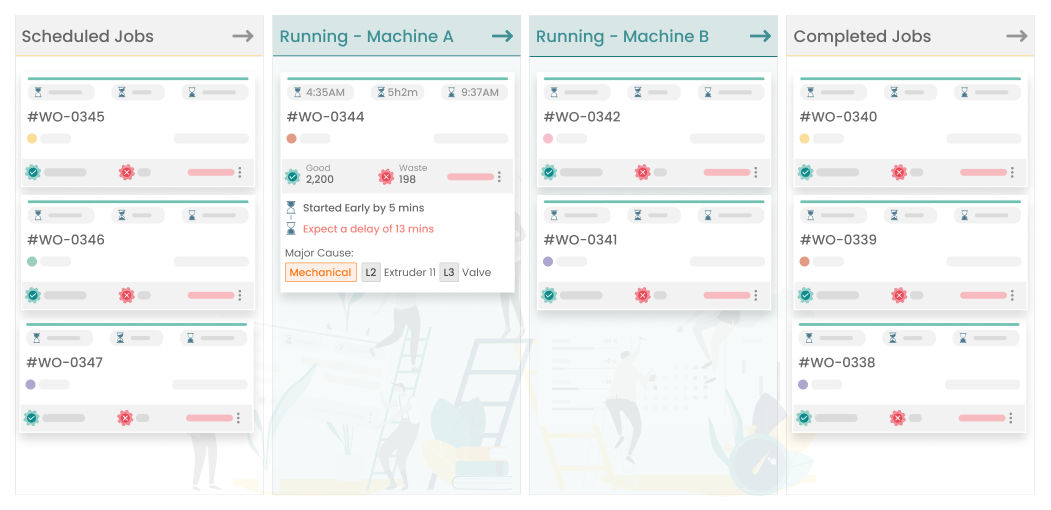
The Importance of Smart Work Order Scheduling
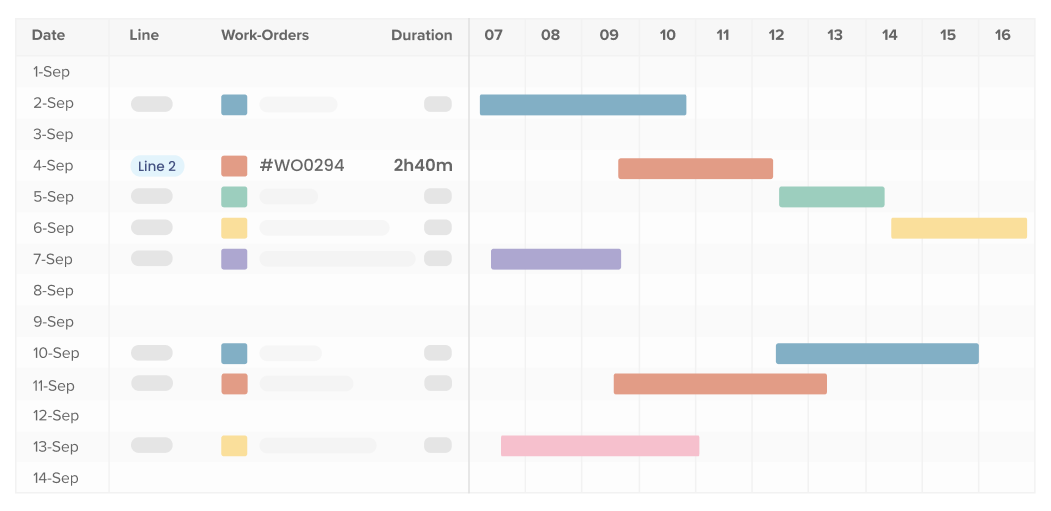
Smart work order scheduling is a key element in upgrading work order management. By automating the scheduling process, organizations can ensure that work orders are assigned and completed in the most efficient manner possible. These algorithms take into account factors such as machine availability, employee skill sets, and work order priorities to create optimized schedules that maximize production efficiency.
The Advantages of Implementing MES Solutions
Manufacturing Execution System (MES) solutions offer a range of benefits to organizations looking to simplify and automate their processes. MES platforms provide real-time updates from the shop floor, enabling organizations to track work order progress and make informed decisions in real-time. This can lead to increased productivity, reduced costs, and improved customer satisfaction.
One of the key benefits of MES is the ability to integrate with an organization’s Enterprise Resource Planning (ERP) system. This integration ensures that all data is accurate, consistent, and up-to-date, providing a comprehensive view of the entire manufacturing process.
See workorders anytime
The Benefits of Real-Time Data Tracking
MES solutions provide real-time data tracking, enabling organizations to track work order progress in real-time. This real-time data provides organizations with the information they need to make informed decisions, improve production processes, and reduce costs.
With real-time data tracking, organizations can identify bottlenecks in their production processes and make informed decisions to address these bottlenecks. This can lead to increased productivity, reduced costs, and improved customer satisfaction.
In addition, real-time data tracking enables organizations to track employee performance and identify areas for improvement. This can lead to increased employee productivity and improved job satisfaction.
The Future of Work Order Management
Smart work order scheduling and MES solutions are the future of management in the manufacturing industry. With their ability to automate the scheduling process, integrate with ERP systems, and provide real-time data tracking, they offer a range of benefits to organizations looking to optimize their processes and stay ahead of the competition.
By implementing smart work order scheduling and MES solutions, organizations can improve production efficiency, reduce costs, and improve customer satisfaction. This can lead to increased competitiveness, improved market position, and long-term success.

Plan workorder with smart dashboard
Conclusion
In conclusion, the use of smart work order scheduling and MES platforms can greatly improve the efficiency and accuracy of work order management in manufacturing organizations. By automating the process, reducing the risk of errors and integrating with ERP systems, organizations can streamline their operations and make better informed decisions. This can lead to increased productivity, reduced costs, and improved customer satisfaction.